Advertisement
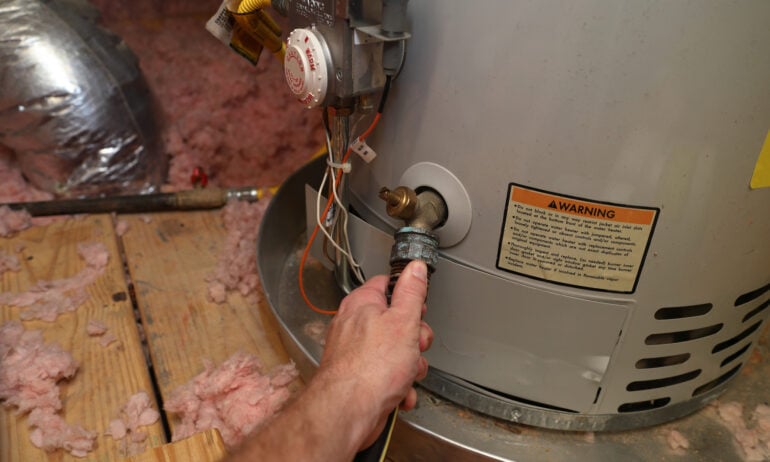
What Will Be the Price of a Water Heater in 2025?
Understanding Water Heater Costs
If you're considering getting a water heater, it's essential to know that the typical price tag sits at about $1,327. Adding installation into the mix, traditional tank models range from $600 to $2,500, while modern tankless units can escalate the cost to between $1,400 and $3,900.
Diving into Traditional Water Heaters
Standard tank-style heaters operate by heating water electrically and storing it in an insulated tank, ready for use. They come in various sizes, boast a lifespan of approximately 10 to 15 years, and are the most budget-friendly option available.
Factors Influencing Heater Pricing
When determining how much you'll invest in a water heater, consider several key factors:
- Size of the Unit: A larger tank can hold more gallons, leading to a higher price.
- Fuel Source: Options like electric, propane, and natural gas offer comparable starting prices, but installation adjustments can raise costs, particularly for gas systems. High-end options like solar and hybrid heat pumps typically command a premium.
- Brand and Features: Premium brands like Rheem or A.O. Smith are often pricier than others, such as Whirlpool or Kenmore. Added features like smart controls or energy-saving technologies can also affect the price tag.
- Venting System: If a model uses an existing chimney, it usually incurs lower installation costs compared to installing a new power-vent unit.
Warranty Insights
Warranties for storage tank heaters differ between manufacturers. These can last anywhere from six years to as long as twelve, covering elements like the inner tank and parts, provided no misuse or environmental damage occurs.
Tankless Water Heaters: The Modern Choice
Tankless water heaters offer a continuous supply of hot water, eliminating the need for a storage tank. They work by utilizing intense heat against water-filled coils, making them more compact and boasting a longer lifespan of about 20 years. Depending on a household's water usage, they can also provide energy savings.
Cost of Going Tankless
The expenses for tankless heaters range from roughly $1,400 to $3,900, inclusive of installation. Costs may vary based on:
- Additional Features: Enhanced functionalities can lead to higher pricing.
- Power Type: Gas-powered units are generally more expensive than their electric counterparts.
- Warranty Length: Extended warranties often reflect higher costs.
- System Capacity: A unit's gallons-per-minute rating contributes to its pricing, with higher ratings usually translating to higher costs.
Installation Considerations
Switching to a tankless water heater may incur additional installation costs, especially if you're replacing a traditional tank model. The straightforward installation of a tank-style heater can cost around $150, while upgrading to a tankless heater could set you back up to $2,500.
Additional Cost Influencers
Several other factors impact installation expenses:
- Labor: The extent of electrical and plumbing work required can increase the final bill.
- Installation Location: Hard-to-access spots may hike costs.
- Permits: Costs for necessary permits can range from $25 to $300.
- Geographic Location: Average installation costs differ across regions.
The Importance of a Skilled Contractor
Utilizing a knowledgeable contractor can help ensure crucial factors aren't overlooked during installation. This includes adherence to seismic strapping for safety, compliance with plumbing codes, and navigating the need for permits, which if ignored, could lead to fines and void warranties.
Financing Your Water Heater
While contractors may offer financing plans, alternatives such as home equity loans or lines of credit (HELOC) may provide lower interest rates and potential tax benefits. Home equity loans provide a lump sum for fixed repayment, whereas HELOCs function like credit cards, allowing withdrawals as needed.
Exploring Personal Loans
Various financial institutions offer personal loans, ranging from $1,000 to $100,000, which can be used for both minor and major repairs. Unlike home equity loans, personal loans don't require collateral, protecting your home from risks associated with missed payments.
Credit Cards for Smaller Expenses
Credit cards may be optimal for minor repairs due to their potential rewards, providing cash back or travel perks, although they usually carry higher interest rates compared to other financing options.
Selecting the Right Financing Option
The best financing route hinges on the project's cost, urgency, and how long you need repayment. If your improvement boosts home value, a HELOC or home equity loan is beneficial. For minor repairs, a credit card might be more practical.
Conclusion
Regardless of your choice, comparing interest rates, terms, and fees across financing options is essential to ensure you secure the most favorable deal for your water heater investment.
Related
-

Powering an Electric Vehicle with Solar Energy
What is the Expense of Pruning Trees?
The cost of trimming trees can differ based on various elements such as the tree's dimensions, its species, and additional considerations.