Advertisement
What is the Expense of Pruning Trees?
Understanding the Costs of Tree Trimming
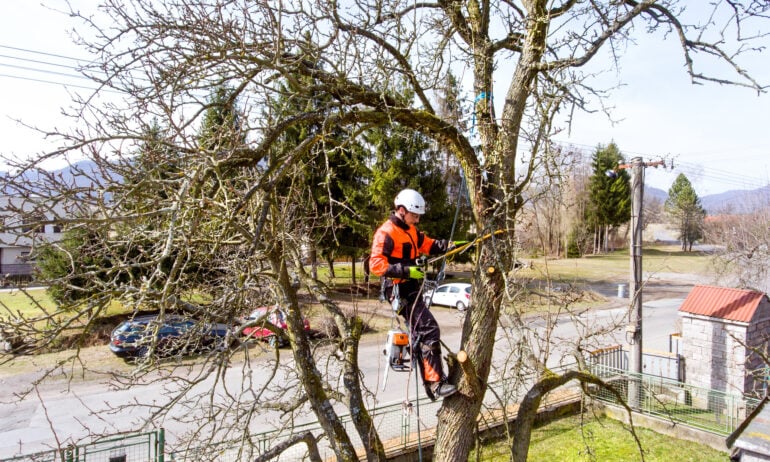
When it comes to maintaining the beauty and safety of your landscape, tree trimming is an essential task. On average, you can expect to spend around $460 for trimming services, though this price can vary widely — anywhere from a modest $200 to a hefty $760. If you’re dealing with a petite tree, costs can dip as low as $75, while towering trees can run you over $1,500. The primary goal of trimming is to eliminate branches that affect both aesthetics and safety.
Tree Height: A Costly Factor
The height of the tree plays a pivotal role in determining your overall trimming expenses. Here’s a breakdown of average costs based on height categories:
- Under 30 feet: Expect to pay between $80 and $550. Trees like crab apple, crepe myrtle, and lilac fall into this category.
- 30 to 60 feet: The average price ranges from $150 to $900, encompassing species such as conifers, beech, and dogwood.
- Over 60 feet: Costs start at $200 and can exceed $1,800 for big hitters like pine, ash, and oak.
Factors Influencing Trimming Costs
Beyond height, several other factors can influence tree trimming costs:
- Season: Scheduling your trimming during peak seasons can elevate costs. However, this is beneficial for tree health, as trimming in colder months allows the tree to be dormant.
- Number of Trees: If you’re trimming multiple trees on the same property, you might secure a volume discount.
- Location: Trimming prices can vary significantly based on your area’s cost of living.
- Accessibility: Trees in hard-to-reach spots, or those near structures and uneven soil, may cost more to trim due to increased labor.
- Tree Health: Trees suffering from disease or infestations might incur higher trimming charges due to extra precautions needed.
The Importance of Regular Trimming
Tree trimming is not just important; it's essential for the tree's health. Younger trees typically require more frequent trims, about every two to three years, while their mature counterparts usually do just fine with a trim every three to five years. Keep in mind that some trees, particularly fruit-bearing ones, need yearly pruning, while evergreens require minimal attention.
When to Check for Trimming Needs
Instead of adhering to a strict schedule, inspect your trees annually for signs that they need trimming. Look out for:
- Signs of insect infestation or disease.
- Unusual shapes or overgrowth.
- Crossed branches or too much shade.
- Brittle, dead limbs and proximity to structures or power lines.
- Overall stability; trees that lean or sway in the wind may need attention.
Timing Your Trimming Wisely
When it comes to timing, choose the colder months after leaves have fallen and before new growth begins. This dormant phase minimizes the risk of insect infestations and promotes a stronger recovery in spring. Timing can make a significant difference in your tree's resilience.
Choosing the Right Professional for the Job
Finding the right tree trimming professional is crucial. Aim to gather several estimates from experienced, reputable arborists. A certified arborist can better understand tree health and safety protocols, ensuring a job well done.
DIY Trimming: Considerations and Cautions
If you're thinking of a DIY approach for minor trims, especially for small trees, be aware that larger projects pose serious risks. Falling branches can cause injuries or property damage, and incorrect techniques might harm your tree. If you proceed, learn the fundamental trimming techniques and always plan which branches to cut — never remove more than 25% of the canopy at once.
Key Factors Before You Begin Trimming
When considering tree trimming, don’t overlook these essential factors:
- Permits: While not usually required, extensive work might necessitate a permit. Always check with local authorities.
- HOA Regulations: If you live in a community governed by an HOA, confirm ownership and compliance before starting any trimming.
- Utility Line Considerations: Trees near power lines should be reported to the local utility company for proper handling.
- Insurance: Professional tree care services come equipped with insurance. If you're trimming yourself, ensure your policies cover potential accidents.
Related
-

Powering an Electric Vehicle with Solar Energy
What is the Price of a Septic System?
While septic tank expenses can reach into the thousands, there are various strategies to reduce costs.